Sep 31, 2026 | 5 min read
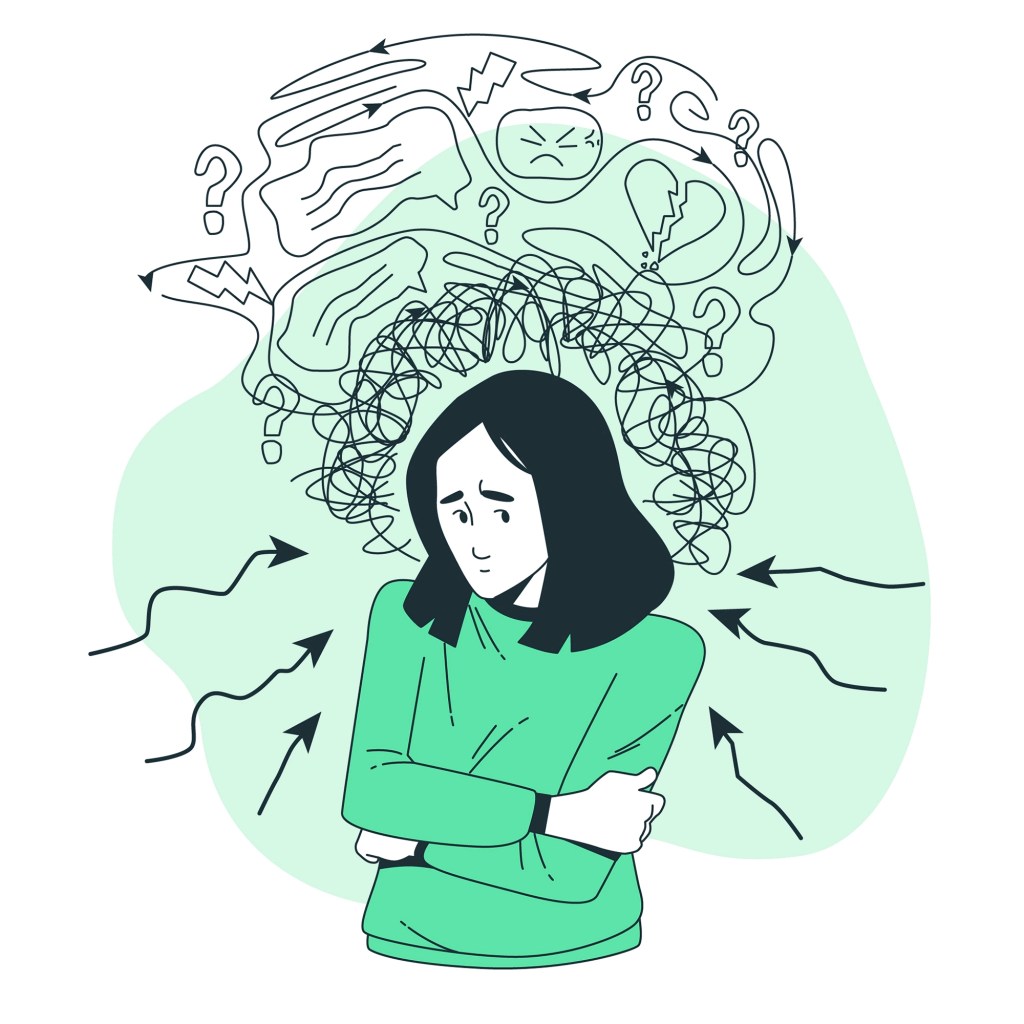
What are anxiety disorders?
Anxiety disorders are a type of mental condition of recurring anxious episodes of panic that lead to excessive fear, dread, worry, anxiety and other similar symptoms of behavioral disturbances.
Types of anxiety disorders:
There are many different types of anxiety disorders including:
- Panic disorder
- Described as a vicious cycle of recurrent and unexpected panic attacks that often occurs when there is no real threat to the individual.
- Generalized Anxiety Disorder (GAD)
- A long-term condition associated with inordinate fear, anxiety and irrational worry about everyday things—in contrast to only one or two isolated events.
- Agoraphobia
- Condition in which an individual fears and avoids places or situations that could cause feelings of being trapped, panic, helplessness and or embarrassed.
- Social anxiety disorder (social phobia)
- Fear and anxiety of social interactions, often leading to an avoidance and can disrupt your life.
- Separation anxiety disorder
- An exaggerated anxiety manifested by concern, fear, and or worry of separation from a figure or individual.
What is an anxiety attack?
Anxiety attacks are often described as an episode or period of time in which an individual experiences a peak in emotions (i.e. anxiousness, panic) and physical symptoms.
Causes of anxiety attacks:
There are various causes for anxiety attacks such as:
- Immense stress
- Prolonged periods of stress can cause a build up, putting the body into a “fight-or-flight” response without there being any real threat or danger.
- Trauma
- Traumatic experiences can cause stress and anxiety leading to the individuals nervous system placing them in the “fight-or-flight” response
- Substance abuse
- Over ingestion of alcohol or various other substances can cause a heighten in anxiety.
- Health issues
- Many chronic illnesses and serious medical conditions can also cause an increase in anxiety.
Symptoms of anxiety attacks:
Anxiety attacks include a list of multiple symptoms including, but not limited to:
- Tension
- Restlessness or feeling out of control
- Racing heart
- Nausea
- Trouble sleeping
- Irritability
- Muscle tensing
- Racing thoughts
- Excessive worrying
What is the difference between panic attacks and anxiety attacks?
The terms “anxiety attack” and “panic attack” are often used interchangeably, however clinically they are not. There are roughly 2 details that create distinction between the two attacks.
- Triggers
- Panic attacks are sudden, occurring out of the blue, without a cause or trigger. In contrast to panic attacks, anxiety attacks often are a result of a specific stressor, event, or situation.
- Duration of the attack
- Panic attacks are sudden surges of fear and discomfort often being short lived. Conversely, anxiety attacks build gradually, and while they are usually less intense than panic attacks, they can last for extended periods of times—even hours.
How to manage anxiety attacks:
When experiencing anxiety attacks, there is no method to immediately end the attack, but there are methods to manage them and try to calm down.
- 5-4-3-2-1 grounding technique
- This is an anxiety method with the purpose of helping anxious individuals ground themselves during their episodes. When executing this technique, the individual is meant to identify five things around them, four items they can touch, three things they can hear, two things they can smell, and one thing they can taste. The purpose of this method is to help ground anxious individuals during their episodes.
- Prescribed medications
- When diagnosed with an anxiety disorder, doctors or medical professionals may offer certain medications to help manage anxiety attacks, such as:
- antidepressants
- Serotonin norepinephrine Reuptake Inhibitor (SNRI)
- Selective Serotonin Reuptake Inhibitor (SSRI)
- Benzodiazepines
- Beta-blockers
- Disclaimer: this is not a recommendation to ask or take medications. Discuss this matter with your healthcare provider, and do not make any changes without consulting them. This includes both taking and quitting any medications. If you desire to take medications your healthcare provider can find the right medication combination for you and monitor it to ensure the medications are working correctly without negative side effects.
- When diagnosed with an anxiety disorder, doctors or medical professionals may offer certain medications to help manage anxiety attacks, such as:
- Box breathing
- This is a technique used to distract the mind and calm the body in which the individual is meant to inhale, hold, exhale and hold again—each action taking four seconds to be executed. This breathing technique is known as box breathing since it is associated with visualizing a box, or square, in which each side represents an action—either inhaling, exhaling or holding.
- Progressive muscle relaxation
- In this method the individual is meant to tense and release their muscles, beginning with their toes and feet—working the way up to the shoulders and head. This continuous physical action has the intention of distracting the individual performing this method.
- Separating thoughts
- When experiencing an anxiety attack individuals minds often start flooding with irrational thoughts that are difficult to control. It is helpful to separate your thoughts into three categories: worry, influence and control. It is most helpful to simply focus on things within your control, including your mindset, words, choices, reactions, etc.
References
Cleveland Clinic. “Anxiety Disorders.” Cleveland Clinic, 3 July 2024, https://my.clevelandclinic.org/health/diseases/9536-anxiety-disorders.
———. “Generalized Anxiety Disorder (GAD).” Cleveland Clinic, 3 Aug. 2022, https://my.clevelandclinic.org/health/diseases/23940-generalized-anxiety-disorder-gad.
Feriante, Joshua, et al. “Separation Anxiety Disorder.” PubMed, StatPearls Publishing, 26 Feb. 2023, https://www.ncbi.nlm.nih.gov/books/NBK560793/.
Forum Admin. “Generalized Anxiety – Mental Health Foundation.” Mental Health Foundation, 26 May 2023, https://mentalhealthfoundation.org/health-conditions/anxiety-disorders/generalized-anxiety/?gad_source=1&gad_campaignid=14405879264&gbraid=0AAAAABNkekjuOPH94yPaJLbx8iPbkORcN&gclid=CjwKCAjw0o3SBhBVEiwAh28-jX5uT5eb7VXJhCca7lKV9owaHBw-ZOI7YXrG6LxBNl-pZZACA8REcRoCvTEQAvD_BwE.
“In-Person and Online Therapy for Anxiety | Appointments.” Www.Mindwellcare.Com, https://www.mindwellcare.com/conditions/anxiety/. Accessed 21 Sept. 2026.
Mayo Clinic. “Agoraphobia – Symptoms and Causes.” Mayo Clinic, 7 Jan. 2023, https://www.mayoclinic.org/diseases-conditions/agoraphobia/symptoms-causes/syc-20355987.
Mayo Clinic . “Social Anxiety Disorder (Social Phobia) – Symptoms and Causes.” Mayo Clinic, Mayo Clinic, 19 June 2021, https://www.mayoclinic.org/diseases-conditions/social-anxiety-disorder/symptoms-causes/syc-20353561.
Team, ReachLink Editorial. “Does Therapy Work? Stats, Success Rates, and What to Expect.” ReachLink, 17 Apr. 2026, https://www.reachlink.com/advice/therapy/does-therapy-work/.
UHS-doverbehavioral. “What’s The Difference Between Panic Attacks & Anxiety Attacks?” Doverbehavioral.Com, 2019, https://doverbehavioral.com/blog/panic-attack-vs-anxiety-attack-whats-the-difference/.
———. “What’s The Difference Between Panic Attacks & Anxiety Attacks?” Doverbehavioral.Com, 2019, https://doverbehavioral.com/blog/panic-attack-vs-anxiety-attack-whats-the-difference/.
“Understanding Anxiety | Support for Survivors of Abuse.” Saprea, 11 June 2025, https://saprea.org/heal/anxiety/?utm_source=MaxConnect&utm_medium=PaidSearch&utm_term=anxiety%20attack&gad_source=1&gad_campaignid=20559438627&gbraid=0AAAAADK-7cYq-OzOyDpLEKqSJT3kRlfFK&gclid=CjwKCAjw0o3SBhBVEiwAh28-jVl0Y58y5d8GDpiIa1rPHCLMkoglSJreJ_B9beWqiu5Asv0f0tIwBhoCHaAQAvD_BwE.
“What An Anxiety Attack Feels Like & What to Do | Hackensack Meridian Health.” Hackensackmeridianhealth.Org, 2025, https://www.hackensackmeridianhealth.org/en/healthier-you/2025/01/21/what-an-anxiety-attack-feels-like-and-what-to-do.

